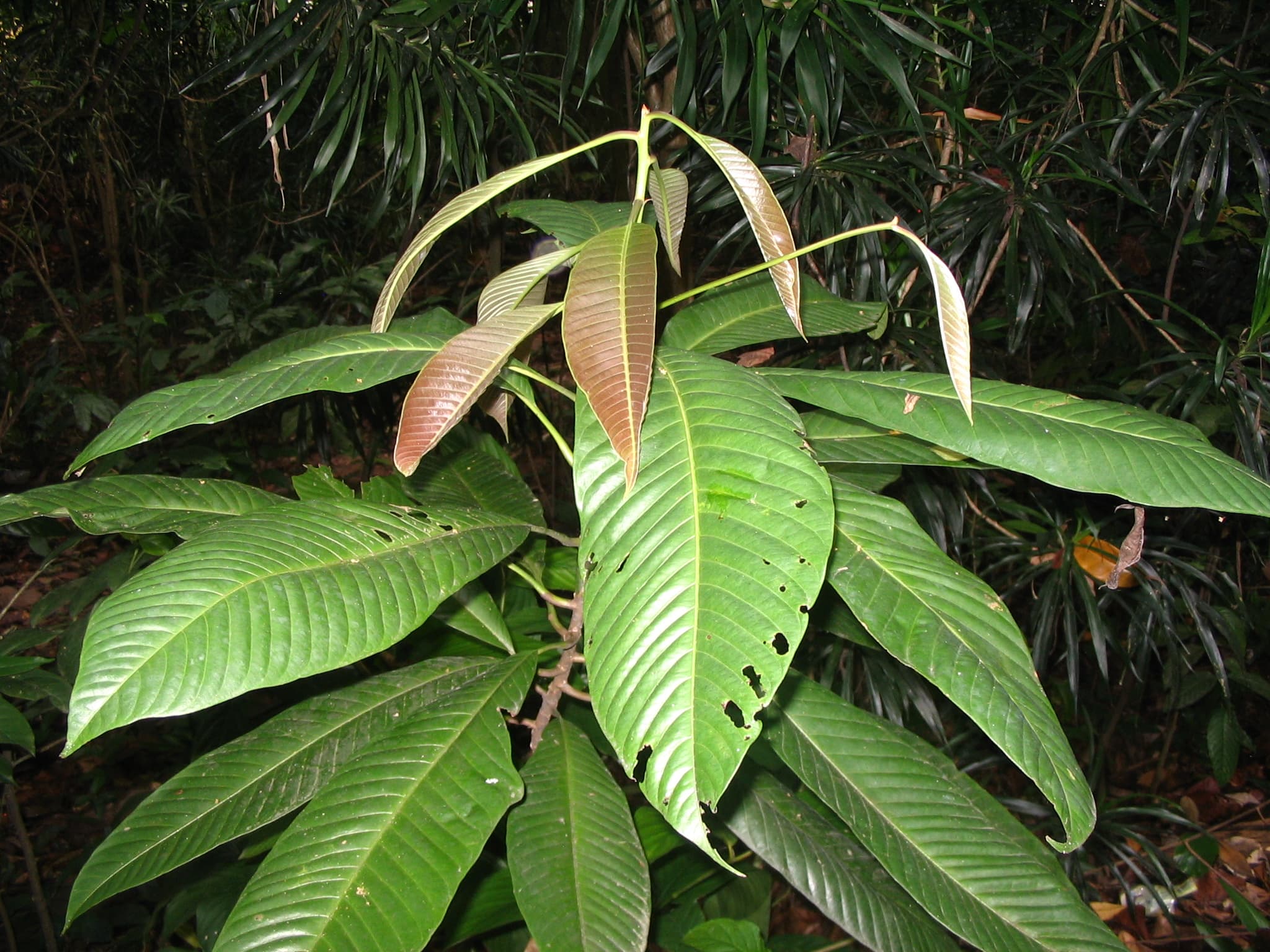
Bumi Cinta's Regenerative Approach to Ironwood Use
The native Ironwood tree of Indonesia, also known locally as Ulin, plays a crucial role in both the ecosystem and culture of Indonesia, particularly in Borneo and Bali. Listed as vulnerable by the International Union for Conservation of Nature (IUCN), this remarkable tree is facing significant challenges due to human activity and its own slow growth rate.
Ulin has been prized for centuries due to its exceptional durability, strength, and resistance to decay. These qualities make it highly desirable for construction and woodworking, especially in traditional Balinese construction. However, the international demand for Ulin has led to widespread illegal logging, pushing this slow-growing species to the brink of extinction in many areas.
The decline of Ulin forests has been ongoing for decades. Despite Indonesia banning its export, illegal logging continues, driven by high market prices and enforcement challenges. As a result, Ulin is now increasingly rare in Indonesia, with intact Ulin forests being even rarer.
Bumi Cinta: Choosing A Regenerative Approach Without Compromise
At Bumi Cinta the organization recognizes responsibility to preserve Indonesia's natural heritage while honoring its cultural traditions. Faced with the choice between contributing to deforestation or finding an alternative, they chose a path aligning with values of regenerative approach and environmental stewardship.
Rather than sourcing newly cut Ulin, the conscious decision involved investing in reclaimed and secondhand Ulin for construction needs. Reclaimed Ulin was used in the structure and flooring of the Restaurant, Villa and Yoga Shala and throughout the landscape as stairs.
For roofing, the organization opted for reclaimed and plantation grown Teak instead of Ulin, recognizing this as a more environmentally responsible alternative to traditional Balinese roof tilings.
These choices came at higher financial cost while achieving five core goals: reducing environmental impact through 100% reclaimed Ulin sourcing; maintaining authentic aesthetic and durability; supporting circular economy principles; acknowledging spiritual significance to indigenous communities; and inspiring similar choices among other businesses.